Best Shampoo for Healthy-Looking Hair: A Complete Guide
Selecting the Best Shampoo is a crucial element of any good hair care routine. The best shampoo is more than just producing foam in a shower. It can help cleanse your scalp and remove any excess sweat, oils, and dirt accumulation, and the correct recipe can leave hair feeling healthier and more manageable.
There isn’t a one-size-fits-all best Shampoo that works for every person. Your hair texture, scalp condition, oil production, and daily routine all affect which product works best. Dermatologists suggest choosing hair care products that are suited to the type of hair you have and wash according to how fast your scalp gets dirty or oily.
Why Choosing the Right Best Shampoo Matters
The scalp is a natural oil-producing area which help to protect your hair and the skin. However, excess oils, dead skin cells, dust, sweat, and hair styling products may build up over time.
The ideal best shampoo must be effective in cleansing but not make your hair feel dry or make your scalp feel uneasy. Finding the right balance is crucial for those who regularly wash their hair.
Do not select a product solely because of its claims about it, take into account your hair’s and scalp demands.
Start With Your Hair Type
One of the most effective methods to narrow the options available is to know your hair type. Wavy, curly, straight, fine, and thick hair may require different methods.
The American Academy of Dermatology recommends choosing hair products that are specifically designed for your hair type.
Oily Hair
If your scalp is fluid and oily, you could require washing your hair frequently. An appropriate cleanser can get rid of excess oil while keeping your scalp looking fresh.
Dry Hair
Dry hair typically gets a better result from a gentler cleaning routine. If you wash your hair too often or use products that are rough can make dry hair feel uncomfortable.
Curly or Textured Hair
Hair that is curly or tightly coiffed is more susceptible to breakage and dryness. Dermatologists advise against excessive washing, and recommend moisture-rich products that are suitable for hair’s structure.
Fine Hair
Fine hair is often burdened by the weight of products. The best shampoos that are suitable should clean well without causing excessive residue.
Shampoo Your Scalp, Not Just Your Hair
An error that is common is to apply best shampoo all over the length of hair. According to dermatologists’ recommendations, best shampoo should be primarily applied to the scalp, where dead skin and buildup can accumulate.
After washing, gently rub the shampoo onto the scalp using your fingers. You don’t need to use vigorous scratching.
The foam that flows through hair while rinsing will help to clean lengths, without needlessly rubbing the lengths.
How Often Should You Shampoo?
- There’s not a universal routine that works for all. The ideal best shampoo regimen depends on how fast your scalp and hair get filthy or oily.
- Hair that is straight and oily scalps might require more frequent shampooing. Hair that is dry, thick, or curly might need to be shampooed less frequently.
- Instead of sticking to a strict routine, take note of how your scalp feels as well as what your hair looks like when you wash it.
Conditioner Completes the Routine
Conditioner and shampoo serve various uses. While best shampoo is focused more on cleaning, conditioner can help in hydrating, detangling, and increasing control.
The AAD suggests using conditioner following washing. For straight or fine hair, conditioner may be applied to the ends. Dry or curly hair could be benefited by conditioning more of the length of hair.
A suitable conditioner along with the right best shampoo that suits your hair will create a healthier routine of haircare.
Be Careful With Heat and Wet Hair
Hair may be more prone to damage if it’s damp. Rough drying with towels, vigorous brushing, and extreme temperatures can lead to breakage.
After best shampoo, remove the excess water, rather than the hair. A wide-tooth comb may help in detangling wet hair, specifically for longer or curly styles.
The excessive heat generated by blow-dryers, hair straighteners, and curling machines can cause damage to hair. Maintaining a lower temperature as well as limiting unnecessary exposure to heat could help safeguard hair.
Choosing Shampoo for Dandruff
If you are regularly experiencing visible flakes or an itchy scalp, your issue might be more complex than just finding the right makeup best shampoo.
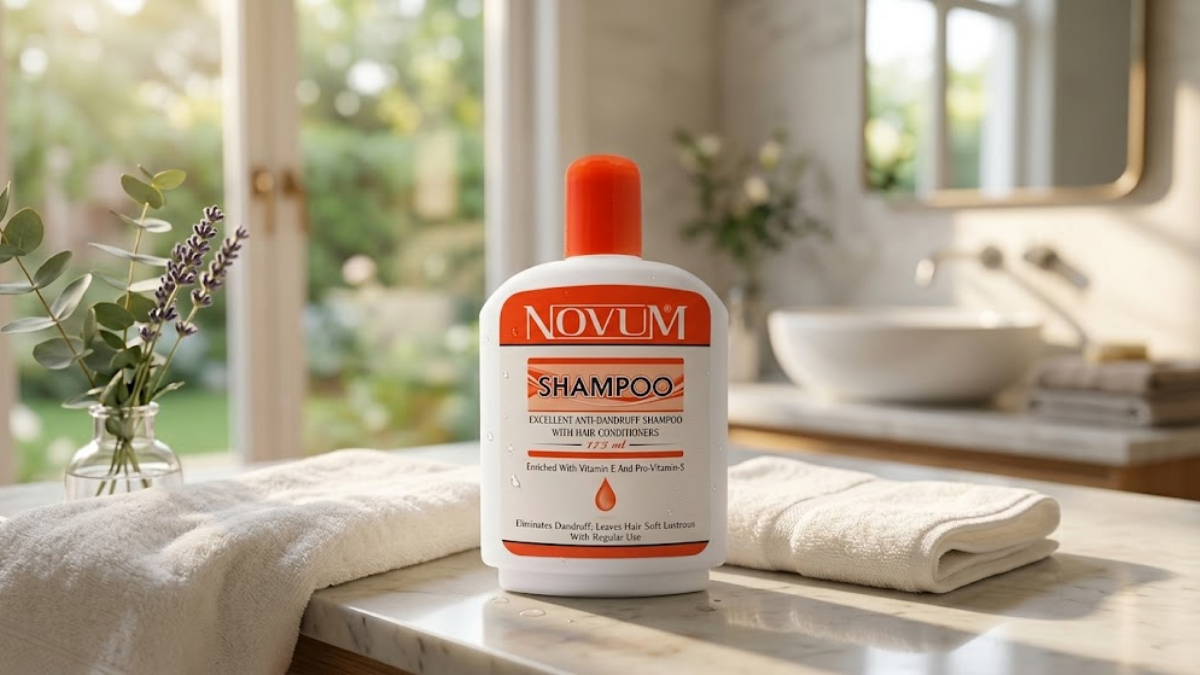
Dermatologists recommend specially formulated shampoos for dandruff that contain the right active components. The product may contain, depending on it they may contain ingredients like ketoconazole, salicylic acid, and zinc pyrithione, depending on the product.
Be sure to follow the directions on the product, as certain products for dandruff need to stay on your scalp for some minutes before washing.
If persistent dandruff doesn’t get better or worsens, seeking out a dermatologist is recommended.
What Makes a Shampoo a Good Choice?
The most effective best shampoo must be chosen based on requirements rather than picking the best-loved product.
Consider:
- The type of hair you have
- Hair texture
- How often do you clean?
- No matter if your hair is oily or dry, it’s a matter of preference.
- No matter if you’re using hair styling products
- If you suffer from dandruff or irritation to your scalp
- How does your hair feel when you wash it
The product that is effective for one person might not be the best choice for someone else with different hair types.
Building a Simple Hair-Care Routine
An elaborate routine isn’t often needed. Begin with a best shampoo that is suitable and conditioner if needed to avoid routines that can lead to harm.
An essential routine may consist of:
- Step 1: Cleanse your hair and scalp with water.
- Step 2: Apply the best shampoo mostly to the scalp.
- Step 3: Gently massage using your fingers.
- Step 4: Cleanse thoroughly.
- Step 5: Apply the conditioner based on the hair’s type.
- Step 6. Gently dry and untangle your hair.
This easy method will make your daily routine much more manageable while helping your hair stay neat and easy to manage.
Frequently Asked Questions
What is the best way to choose the most effective shampoo?
Pick a hair shampoo that is suitable for the condition of your hair, scalp texture, production of oil, as well as the frequency at which you wash. The most suitable shampoo for oily hair might not be appropriate for curly or dry hair.
Do I have to shampoo my hair daily?
Certain people who have oily scalps might require frequent shampooing, whereas hair that is curly, dry or even textured hair might need less frequent washing. Your scalp and hair condition will determine your regimen.
Shampoo should be applied to all hair?
It’s best to apply shampoo directly on the scalp, rather than frequently rubbing hair across its length. This assists in cleansing dirt and buildup that build up, while also preventing unnecessary drying of hair.
Does conditioner need to be added after shampoo?
Conditioners are a great way to moisturize and loosen hair after shampooing. How it is put on depends on the hair’s type and texture.
Can shampoo stop hair loss?
Shampoos alone are not sufficient to treat the root of all hair loss. Hair loss that is persistent or substantial may be due to a variety of causes. So a dermatologist will aid in diagnosing the cause and suggest the appropriate course of treatment.
Final Thoughts
The best shampoo to use begins by understanding the hair and scalp instead of using a standard-sized strategy. A good shampoo should clean efficiently while blending seamlessly into your daily routine.
Be aware of your hair’s type. Wash in accordance with your scalp’s requirements. Use conditioner in a manner that is appropriate, and gently handle your wet hair. If you are suffering from constant irritation, dandruff, or significant loss of hair, an expert’s advice is able to help you decide what the most appropriate solution is.